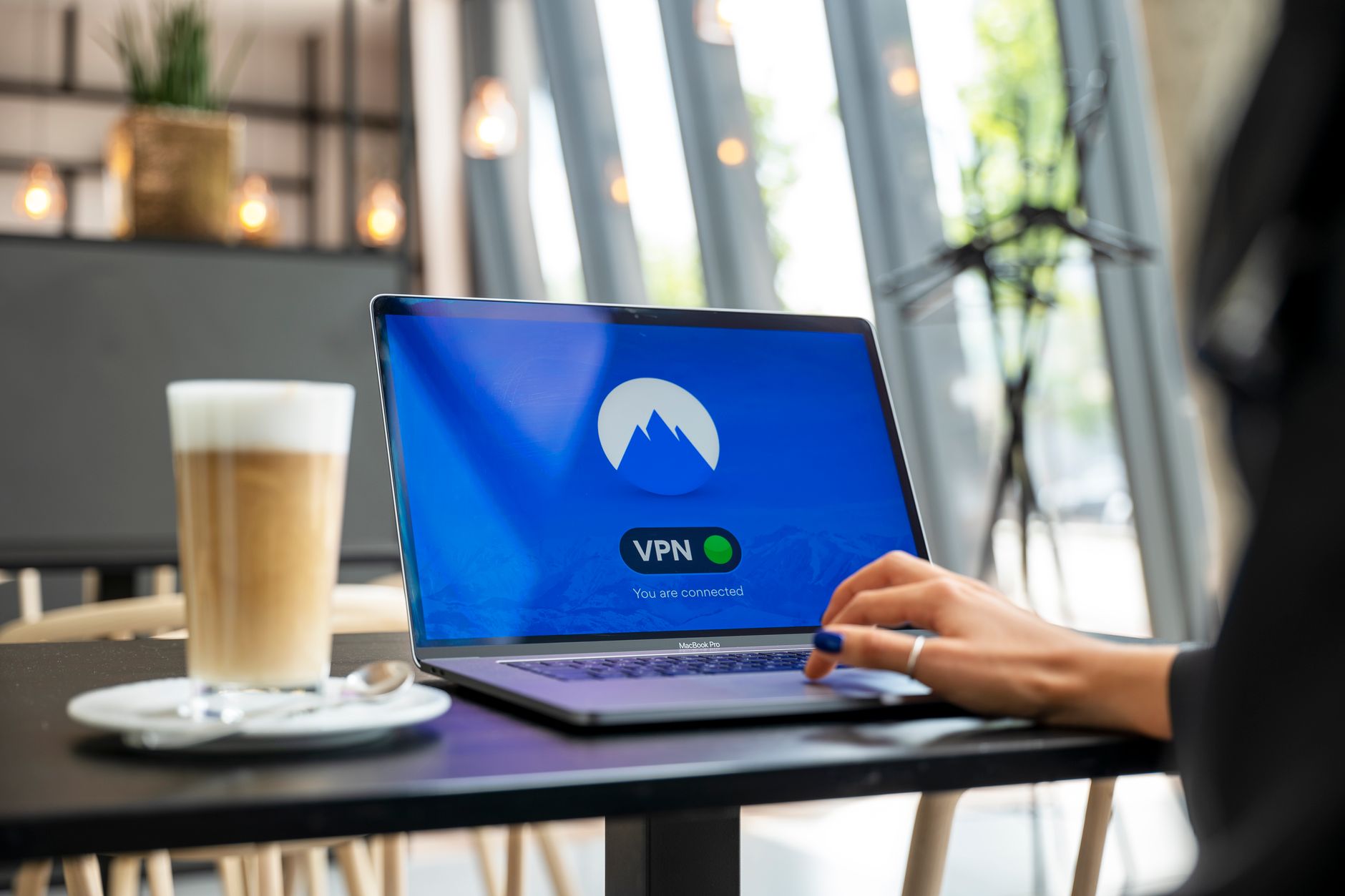
Most people do not realize how much of their personal life sits in public databases. Your home address, phone number, family names, court records, property value, and even your hobbies can be collected. This is not a hacker conspiracy. It is a legal industry built on selling your information. A data brokers complete guide explains how these profiles work and why they exist. The first step toward protection is understanding what is out there.
The reason to remove yourself is not paranoia. It is basic risk reduction. Every extra record makes you easier to find, target, scam, or steal from. The FBI Internet Crime Complaint Center received a record 880,418 complaints in 2023, with reported losses exceeding $12.5 billion. That number keeps climbing. You will not stop every risk, but you can reduce the easy wins.
This guide explains why removing your personal details from the open web matters. We will look at what data brokers do, what the law says, and how to take practical steps. You do not need to be technical. You just need to know where your data lives and how to ask for it back.
| Method | Cost | Time Investment | Best For |
|---|---|---|---|
| Manual opt-out | Free | Several hours per batch | People with few profiles and time to spare |
| Data removal service | $100 to $250 per year | Minimal after setup | People with many profiles or limited time |
| Identity theft monitoring | $90 to $300 per year | Ongoing alerts | People who want credit and fraud alerts |
What Does It Actually Mean to Remove Yourself From the Internet?

Removing yourself from the internet does not mean deleting every account and living off-grid. It means reducing the amount of personal information that is publicly available and easily searchable. That includes data broker profiles, people search sites, social media oversharing, and old forum posts. You do not have to become invisible. You just make it much harder for strangers to piece together your identity.
Start by searching your name plus your city in a private browsing window. You will likely find Whitepages, Spokeo, BeenVerified, or similar sites. These companies scrape public records and commercial data to build profiles. They may show your age, current and past addresses, phone numbers, relatives, and even your estimated income. A data brokers complete guide explains how these profiles are built and why they are so detailed.
Removal is more like repeat cleanup than a one-time switch. You contact each site, use opt-out forms, and sometimes submit ID verification. Many people choose to automate this with a best data removal services 2026 because the process repeats. New profiles appear after you move, buy a car, register to vote, or sign up for a new service. You cannot delete yourself once and be done. You can shrink your footprint and keep it small.
The goal is not perfection. It is making sure a quick search of your name does not show your home address and phone number. That single change blocks a lot of low-effort scams and unwanted contact.
Why Do Data Brokers Collect So Much Information About You?
Data brokers are companies that gather, package, and sell personal details. They are not breaking into your accounts. They pull from public records, warranty cards, store loyalty programs, app permissions, and website trackers. That info becomes a product. Marketers, insurance companies, landlords, and sometimes private investigators buy it. The more complete the profile, the more it sells for.
This is not a small side industry. Marketing data and people search services generate billions of dollars a year. While precise revenue varies, the ecosystem includes thousands of firms. Some focus on risk mitigation, others on advertising, and some on background checks for dating or employment. The result is the same: your life becomes a file that strangers can query for a few dollars.
California’s CCPA gives residents the right to know what personal information a business collects and to request deletion. If you are in the EU, GDPR offers similar and often stronger rights. But even with these laws, enforcement is uneven. Many people still have to do the legwork or use an opt-out guide. Our how to opt out of data brokers article walks through the process step by step.
The data broker world is opaque. You rarely know which company holds your data until you search. That is why the first step is always discovery. You cannot remove what you cannot see.
How Can Your Personal Data Be Used Against You?

Criminals use public details to make scams feel real. A caller who knows your mother’s maiden name, your old street, or your recent purchase sounds legitimate. This is social engineering. With a few data points, a fraudster can call your bank, reset a password, or convince you they are from tech support.
Identity theft is not rare. The FTC received more than 1 million identity theft reports in 2023. Stolen identities can lead to new credit cards, loans, and tax refund fraud. Recovery takes months. Some victims spend hundreds of hours sorting out credit reports and legal paperwork. Prevention is far cheaper than repair.
Stalking and harassment are also real risks. Public records often show court cases, property addresses, and family names. If you have ever been in a dangerous situation, a data broker profile can be a roadmap. Even if you have not, doxing and swatting are risks for people in public-facing jobs or communities. Reducing your footprint lowers the chance someone can easily find your home.
Employers, insurers, and landlords also use data profiles. They may make decisions based on incorrect or outdated information. A wrong address from an old roommate or a misreported criminal record can cost you a job or apartment. You may never know why. Removing data broker profiles helps you control the narrative.
What Are the Real Risks of Doing Nothing?
The biggest risk is not one dramatic attack. It is slow, repeated exposure. Each year you leave data broker profiles untouched, they become more accurate. Your new address gets added, your family links expand, and your phone number stays current. The cost to remove them later is not much higher, but the risk of being targeted grows with time.
The Identity Theft Resource Center tracks data breaches and identity theft. In 2023, the group recorded 3,205 data compromises. Each breach can leak your details into criminal marketplaces. Once your data is out there, it often circulates for years. Data removal cannot undo past breaches, but it can reduce the number of places where your current info sits openly.
Doing nothing also means more spam and more scams. If your email and phone number are easy to buy, you will receive more phishing attempts. Some of those attempts will look like real invoices, package notices, or bank alerts. Our guide on how to stop spam emails 2026 covers practical ways to reduce that noise. Less exposed data means fewer hooks for scammers.
Financial loss can snowball. A single compromised account can lead to multiple fraudulent charges. If criminals open new accounts, your credit score may drop before you notice. Identity theft protection can help, but it is often reactive. The best data cleanup includes proactive removal. You can compare options in our best identity theft protection 2026 review.
How Do You Start Removing Your Information?

Start with a list of where you appear. Use a private or incognito window and search for your first and last name, plus your city and state. Write down the sites that show your current address, phone number, or family members. Common names include Whitepages, Spokeo, Intelius, PeopleFinders, and BeenVerified. You do not need to tackle all of them at once. But you do need a running list.
Most people search sites have an opt-out page. The process is usually similar: find your profile, copy the URL, fill out a removal form, and confirm by email. Some sites require a phone call or an ID upload. This can take several hours if you do it manually. Our how to opt out of data brokers guide gives a walkthrough for the biggest sites. If you want hands-off help, a best data removal services 2026 can handle the repeated requests.
After you remove yourself from major brokers, reduce what you share going forward. Use a separate email for shopping and loyalty programs. Avoid posting your full birth date, workplace, or vacation plans on public social media. Set your profiles to private where possible. Small changes stop new data from flowing back into the system.
Removal is not a one-time project. Set a reminder every three to six months to search for new profiles. When you move, buy property, or register to vote, your data may reappear. Treat privacy as a habit, not a crisis project. Small steps compound into a much smaller digital footprint.
What Costs and Tools Are Involved?
Manual opt-outs are free, but they cost time. You may spend several hours per site batch. If you only need to remove a few profiles, manual removal works. But if your name appears on dozens of sites, the time adds up quickly. Some people underestimate how many new profiles appear after data brokers refresh their records.
Data removal services charge an annual or monthly fee. Prices typically range from about $100 to $250 per year, depending on features. These services send opt-out requests on your behalf and run repeated scans. They may also remove you from criminal records sites, court record aggregators, and marketing databases. Our best data removal services 2026 comparison breaks down which ones offer the most coverage.
Identity theft protection tools are not the same as data removal. They monitor credit reports and alert you to suspicious activity. They do not always remove your profiles from people search sites. You may want both. Our best identity theft protection 2026 review explains the difference. And if spam is your main pain point, our how to stop spam emails 2026 guide offers free and low-cost fixes.
The real cost of doing nothing is higher than any subscription. A single fraudulent loan, a breached bank account, or a lost job opportunity can cost thousands of dollars and months of stress. You do not need every privacy tool. Start with data removal, then add a password manager if you reuse passwords. Build from there.
Frequently Asked Questions
Is it legal to remove yourself from the internet?
Yes. You can request that data brokers delete your information under many state and national privacy laws. The process may require verifying your identity, but it is legal and increasingly common.
Will removing myself from the internet stop all spam and scams?
No. It reduces exposure, but it cannot stop every threat. Scammers still buy leaked lists and send random messages. Pair removal with good password habits and email filters.
How long does it take to remove yourself from data brokers?
Manual opt-outs can take several hours over a few weeks. Data removal services often show initial results within a week or two, but recurring scans are needed because profiles return.
Do I need to delete social media too?
Not always. Set profiles to private, remove your address and phone number, and limit public personal details. Deleting social media is a personal choice that can further reduce your footprint.
Can I pay someone to remove my information?
Yes. Data removal services charge an annual fee to send opt-out requests and monitor people search sites. They are best for people with many profiles or limited time.
What is the first step I should take today?
Search your name and city in a private browser. Make a list of sites that show your home address or phone number. Then start with the largest data brokers and use their opt-out pages.
What Should You Remember?
- Data brokers collect and sell your home address, phone number, and family details without your direct consent.
- Remove yourself from major people search sites to reduce identity theft, stalking, and scam risks.
- FTC data shows more than 1 million identity theft reports in 2023, proving the risk is common.
- Manual opt-outs are free but time-consuming; data removal services automate the repetitive work.
- Repeat the process every three to six months because new profiles appear after life events.
- Combine removal with spam filters and identity theft monitoring for layered protection.
- Start today by searching your name in a private window and listing every site that exposes your details.
This article is for general informational purposes only and is not legal or financial advice. Data broker policies, privacy laws, and service pricing change frequently, so verify current details with the official source before acting. Some links may be affiliate links that support this site at no cost to you.