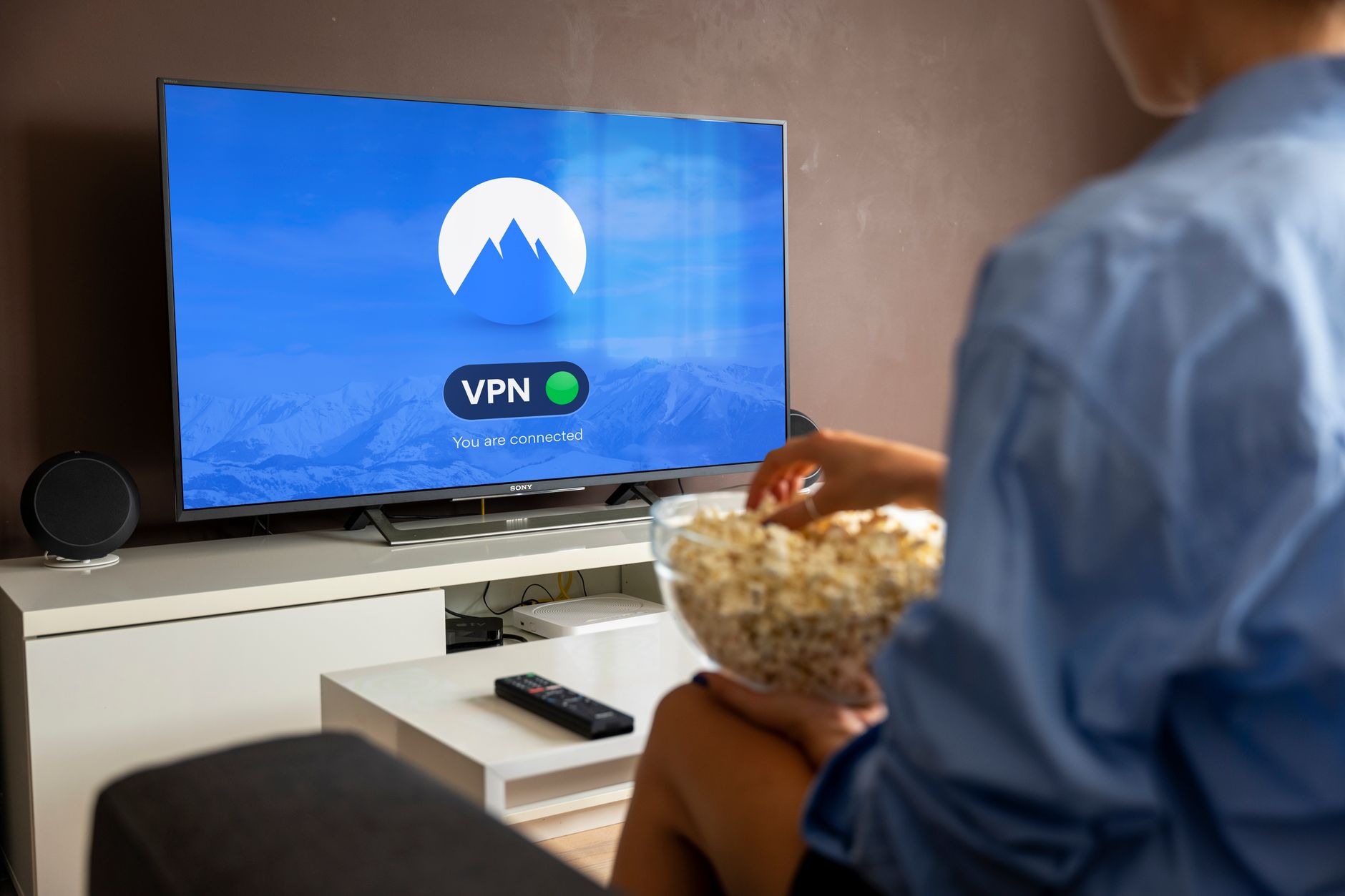
Most people connect to public Wi-Fi without a second thought. You check your bank balance at a coffee shop, type a password at an airport lounge, or buy something from a hotel network. Each of those moments is a chance for someone else on the same network to intercept what you send. The FTC reported that consumers lost $10 billion to fraud in 2023, a record sum that includes schemes built on stolen personal data. A virtual private network, or VPN, encrypts your connection and hides your IP address. It will not stop every scam, but it closes one common door. For ordinary people who want fewer strangers touching their traffic, a VPN is a sensible first layer.
Scammers in 2026 have better tools. AI can clone a voice from a short video, generate a convincing email, or stitch your leaked details into a targeted story. Those details often come from data brokers, old breaches, and unsecured browsing. The Identity Theft Resource Center tracked 3,205 data compromises in 2023, a record that exposed millions of people to follow-on scams. A VPN helps by making your browsing less readable to your internet provider and to anyone else on your network. But it cannot delete records already sold by people-search sites. That is why serious privacy plans pair a VPN with a data removal service that scrubs your home address and phone number from broker databases.
A VPN creates an encrypted tunnel between your device and a server. That means your internet provider sees only that you connected to a VPN server, not which sites you visited. It also replaces your real IP address with the server’s address, so websites and ad networks cannot tie your browsing back to your home connection. This is useful, but it has limits. If you log into Google, Facebook, or Amazon, those companies still know who you are. Cookies, device fingerprinting, and app permissions still track you. A VPN also cannot remove your name from data broker databases. For that, you need a separate opt-out process. This guide explains how to opt out of data brokers step by step. Think of a VPN as tinted windows on your car, not an invisibility cloak.
We compared five VPN services that ordinary people can set up in minutes. We looked at no-logs policies, independent audits, pricing, device limits, and ease of use. We also considered which services are honest about tradeoffs, such as slower streaming performance or jaw-dropping renewal prices. Some VPNs market themselves as complete security suites, but they cannot replace identity theft monitoring or a password manager. A strong 2026 privacy setup includes a VPN, a password manager, identity monitoring, and data removal. We explain each recommendation below so you can choose the right tool without falling for exaggerated claims.
How Do the Top Options Compare?
| VPN Service | Best For | Starting Price | Simultaneous Devices | No-Logs Policy |
|---|---|---|---|---|
| Proton VPN | Privacy-first users | $4.99/mo (2-year) | 10 | Audited |
| Mullvad | Anonymous accounts | $5.50/mo flat | 5 | Audited |
| ExpressVPN | Beginners and streaming | $6.67/mo (1-year) | 8 | Audited |
| NordVPN | Security tools | $3.99/mo (2-year) | 10 | Audited |
| Surfshark | Unlimited devices | $2.49/mo (2-year) | Unlimited | Audited |
Prices reflect discounted long-term plans at time of writing. Renewal rates may be higher. A VPN hides your traffic from your internet provider but does not remove existing data broker profiles.
1. Proton VPN: Privacy-first users

Proton VPN is built by the same team behind Proton Mail, a service with a long reputation for privacy. The apps are open source, which means outside researchers can inspect the code for hidden backdoors. Proton VPN operates from Switzerland, outside the major intelligence-sharing alliances that make some users nervous. Its no-logs policy has been independently audited. The company also offers a rare free plan without data caps, though free users are limited to servers in a few countries.
This VPN fits people who want transparency more than one-click streaming. Speeds are good but not always the fastest, and the full feature set requires a paid plan. You get Secure Core routing, which sends your traffic through multiple servers in privacy-friendly countries. You also get a kill switch that blocks internet if the VPN drops. For deeper protection, Proton VPN pairs well with the steps in our data brokers complete guide. That guide explains how leaked and scraped data keeps following you, even with a VPN on.
A VPN is not a substitute for removing your personal records from people-search sites. But Proton VPN does reduce how much your internet provider can see. It is a strong privacy-first choice for 2026.
Key strengths:
- ✅ Open source apps that outside researchers can inspect
- ✅ Independently audited no-logs policy
- ✅ Free plan with no monthly data limit
- ✅ Secure Core and kill switch are built in
- ❌ Paid plans cost more than budget competitors
- ❌ Speeds can be slower on Secure Core and free servers
- ❌ Fewer simultaneous devices than Surfshark
Who it’s for: People who want a transparent, privacy-first VPN with audited no-logs claims.
2. Mullvad: Anonymous accounts
Mullvad takes a different approach to privacy. You do not register with an email address or name. The service generates a random 16-digit account number that becomes your only login. You can pay with cash mailed to its Swedish office, along with credit cards, PayPal, or cryptocurrency. This makes Mullvad one of the few VPNs that can be used without leaving a digital paper trail back to your identity. The no-logs policy has been audited and the apps are open source.
The tradeoff is convenience. Mullvad does not have a sprawling streaming-optimized server list, although it works with many sites. Its apps are functional but less polished than ExpressVPN or NordVPN. Mullvad charges a flat 5.50 euros per month, no discounts for longer plans. That honestly may be better than a low teaser rate that renews at a painful price. Mullvad also limits each account to five simultaneous devices, which is fine for one person but tight for a family.
If your main goal is to reduce what websites and data brokers can infer about you, pair Mullvad with why remove yourself from internet advice. A VPN hides your IP, but your name, address, and relatives still appear in public records. Mullvad is best for people who value anonymity tools over streaming extras.
Key strengths:
- ✅ No email or personal details required to create an account
- ✅ Cash payment accepted for maximum privacy
- ✅ Flat monthly price with no confusing renewal hikes
- ✅ Audited no-logs policy and open source apps
- ❌ Five device limit can be tight for households
- ❌ Fewer streaming-optimized servers than larger rivals
- ❌ Apps are less beginner friendly
Who it’s for: People who want an anonymous VPN account without handing over an email or name.
3. ExpressVPN: Beginners and streaming

ExpressVPN is the easiest VPN for ordinary people. The apps look the same on Windows, Mac, iPhone, and Android, with one big power button and a simple server list. It is also one of the most reliable options for streaming services that try to block VPNs. ExpressVPN operates from the British Virgin Islands and has completed independent audits of its no-logs policy and TrustedServer technology. Customer support is available 24/7 through live chat.
You pay for that polish. ExpressVPN is one of the more expensive VPNs in this comparison, especially if you choose the monthly plan. The annual plan lowers the cost, but it is still premium. ExpressVPN does not offer a free version, and its advanced features are not as deep as NordVPN’s. It includes a kill switch, split tunneling, and a password manager add-on called ExpressVPN Keys. We generally recommend a dedicated password manager instead of an add-on, so you are not locked into one company.
For streaming and travel, ExpressVPN is hard to beat. Public Wi-Fi at airports and hotels becomes much safer because your traffic is encrypted. Just remember that streaming protection is not the same as identity theft protection. If your data is already in broker databases, a VPN will not remove it.
Key strengths:
- ✅ Simple apps that look nearly identical on every device
- ✅ Strong streaming support with fewer VPN blocks
- ✅ 24/7 live chat customer support
- ✅ Audited no-logs policy and TrustedServer technology
- ❌ More expensive than most competitors
- ❌ No free trial or free version
- ❌ Fewer advanced security tools than NordVPN
Who it’s for: Beginners and frequent travelers who want a fast, simple VPN for streaming and public Wi-Fi.
4. NordVPN: Security tools
NordVPN is the closest thing to a security suite in the VPN world. It includes a large server network, an ad and tracker blocker called Threat Protection, and options like double VPN that send your traffic through two servers. NordVPN is based in Panama and has completed independent audits of its no-logs policy. Its speeds are consistently fast, and it works with most streaming platforms. The two-year plan is affordable, though renewal prices are higher.
The extra features are useful, but they can create a false sense of total safety. NordVPN’s ad blocker stops some trackers, but it cannot stop AI voice cloning or phishing messages. It also cannot freeze your credit or alert you when someone opens an account in your name. For that, consider an identity theft protection service. We have compared options in best identity theft protection 2026 so you can see what real monitoring looks like. Pairing a VPN with identity monitoring covers two different threats that people often confuse.
NordVPN’s apps are powerful but can feel busy. New users may need time to find the settings they want. The company also experienced a server breach in 2018, which it disclosed. Subsequent audits and a move to diskless servers have improved trust, but some users prefer providers without that history. NordVPN is still a solid choice for people who want many security tools in one subscription.
Key strengths:
- ✅ Large network with fast speeds in many countries
- ✅ Threat Protection blocks ads and trackers
- ✅ Double VPN and dedicated IP options available
- ✅ Independent no-logs audits completed
- ❌ Renewal prices jump after the first term
- ❌ App interface can overwhelm beginners
- ❌ Past server breach requires some trust
Who it’s for: People who want a VPN plus extra security features in one subscription.
5. Surfshark: Unlimited devices
Surfshark has one feature that no other major VPN matches: unlimited simultaneous connections. You can install it on every phone, laptop, tablet, and smart TV in your home under one account. It also costs less than most competitors on long-term plans. Surfshark includes an ad blocker, a kill switch, and a rotating IP feature. The company is based in the Netherlands and has completed a no-logs audit.
The tradeoff is that Surfshark’s server network is not as large as NordVPN or ExpressVPN. Speeds are generally good but can vary on long-distance servers. Streaming works with many platforms, though you may occasionally need to switch servers. Surfshark’s apps are clean and easy to use, which makes it a good fit for families and less technical users.
A VPN, including Surfshark, will not stop spam text messages or emails that scammers send using your leaked data. For that, you need separate spam filtering and data removal. A VPN also cannot delete your profiles from people-search sites. Use a data removal tool for that. Surfshark is the best budget pick for a large household, but it is not a complete privacy cure.
Key strengths:
- ✅ Unlimited devices on one account
- ✅ Low long-term price for budget-conscious households
- ✅ Built-in ad and tracker blocker
- ✅ Clean apps that are easy for beginners
- ❌ Server network smaller than NordVPN or ExpressVPN
- ❌ Speeds can vary on distant servers
- ❌ Netherlands jurisdiction may concern some privacy purists
Who it’s for: Families or individuals with many devices who want a budget VPN with no device cap.
Frequently Asked Questions
Can a VPN stop AI scam calls?
No. A VPN encrypts internet traffic and hides your IP address, but it cannot block phone calls or cloned voices. You still need spam call filters and data removal to reduce your exposure.
Is a free VPN safe?
Some free VPNs are safe, but many sell browsing data or show invasive ads. Proton VPN has a trustworthy free plan without data caps. Most other free VPNs should be avoided.
Will a VPN keep me completely anonymous online?
No. Websites still track you through logins, cookies, and device fingerprinting. A VPN hides your IP address and encrypts traffic, but it is only one privacy layer.
Should I use a VPN on public Wi-Fi?
Yes. Public networks at airports, hotels, and coffee shops are often not encrypted. A VPN prevents people on the same network from reading the data you send.
Do VPNs work with Netflix?
Many do, but streaming services sometimes block VPN servers. ExpressVPN and NordVPN are usually reliable for streaming, though you may need to switch servers occasionally.
Can a VPN remove my information from data brokers?
No. A VPN changes your IP address, but data brokers already have your name, address, and phone number. You need a separate opt-out or data removal service to delete those records.
What Should You Remember?
- VPN hides traffic: It encrypts your internet connection and masks your IP address from your internet provider.
- No logs matter: Choose a VPN with an audited no-logs policy so your browsing activity is not stored.
- Does not stop AI scams: A VPN cannot block voice cloning or social engineering calls. You need spam filters and data removal.
- Public Wi-Fi risk: Always use a VPN on hotel, airport, or cafe networks to prevent snooping.
- Pair with data removal: Delete your profiles from people-search sites after you secure your connection.
- Free VPNs can be risky: Only use free versions from trusted companies with clear privacy policies.
This article is for general informational purposes only and is not legal or financial advice. Data broker policies, privacy laws, and service pricing change frequently, so verify current details with the official source before acting. Some links may be affiliate links that support this site at no cost to you.