
Most people think privacy and security are only for tech experts. That is not true. Every time you shop online, join a loyalty program, or enter your address on a website, that information can travel to databases you will never see. Privacy is about deciding who gets your personal details. Security is about stopping criminals from stealing or misusing those details. Your name, address, phone number, and even your shopping habits are valuable. They are also easy to collect. Companies called data brokers gather these bits and pieces from public records, purchase histories, and social media. Then they sell them to marketers, insurance companies, and sometimes to people with bad intentions.
The problem grows because most of us never agreed to this. You might not remember signing up for a store discount card ten years ago. That card still generated data about what you buy and where you live. Information flows quietly in the background. The Federal Trade Commission, or FTC, acts as a national consumer protection agency. It tracks the damage. Consumers reported losing more than $10 billion to fraud in 2023, a 14 percent increase from the year before. Those losses often start with a small piece of exposed data. A scammer needs your name and phone number to make a convincing call. An identity thief needs your address and birth date to open a fake account.
You do not need to become a privacy expert to reduce your risk. Simple steps help. You can remove your details from data broker websites. You can use a password manager. You can watch for signs that someone is using your identity. This guide explains how privacy and security work together, why data brokers matter, and what you can do today. The goal is not to disappear from the internet. It is to make your personal information harder to find and harder to abuse. Small changes add up. Even removing yourself from a handful of data broker sites can cut down on spam calls and phishing messages within weeks. You can start today with no special skills.
| Option | Best For | Cost | Time to See Results | Main Benefit |
|---|---|---|---|---|
| Manual opt-out | People with patience and a limited budget | Free | 2 to 4 weeks for first removals | No fees and full control |
| Paid removal service | Busy people who want repeat removals | $100 to $250 per year | 2 to 4 weeks initially, then ongoing | Automated scans and opt-outs |
| Identity theft protection | Anyone worried about new account fraud | $8 to $30 per month | Real-time alerts | Credit and identity monitoring |
| Password manager | Anyone who reuses passwords | Free to $60 per year | Immediate setup | Unique passwords for every account |
What Does Privacy and Security Actually Mean Online?

Privacy is often confused with security, but they are different. Privacy is the right to decide what others know about you. Security is the lock that keeps unwanted people out of your accounts and files. Picture a house. Privacy means you choose which rooms guests can enter. Security means your doors have locks and your windows close. Online, privacy means your search history, home address, and family details are not available to anyone who asks. Security means a thief cannot get into your email or bank account with a guessed password.
Many companies blur the line. A free app might ask for your location, contacts, and camera access. You get the app for free. The company gets your data for free. That data is often packaged and sold. This is how a simple game on your phone can become a source of personal details for data brokers. The same is true for loyalty cards, warranty registrations, and online quizzes. None of these feel dangerous in the moment. They are just small pieces of a much larger puzzle.
Security failures make privacy problems worse. If a company that holds your data gets breached, criminals can access it. Then they might sell your information on hidden forums. Your privacy is already gone. The question becomes whether you can stop the damage. Strong passwords, two-factor authentication, and regular monitoring help. But removing your data from brokers also reduces how much is out there if a breach happens.
Why Should You Care About Data Brokers?
Data brokers are companies that collect, buy, and sell personal information. They are not a new phenomenon, but the internet made them faster and more powerful. A broker can combine your public records, purchase history, social media activity, and app permissions into one detailed profile. That profile might include your full name, current and past addresses, phone numbers, email addresses, birth date, relatives, property records, court cases, and estimated income.
One reason to care is scale. The Identity Theft Resource Center tracks data breaches in the United States. It recorded 3,205 data compromises in 2023, a 78 percent jump from the year before. That means millions of records are exposed. Brokers then collect even more data from those breaches. They build profiles that are frighteningly accurate. You can learn how these companies operate in our data brokers complete guide. The guide explains what they know and why it matters.
Data brokers also make money by selling your information to people search sites. Anyone can visit those sites, type your name, and see your address, phone number, and family members. That is how a stranger can find out where you live. It is also how scammers build trust. When someone calls and knows your mother’s name or your old address, the call feels real. Removing yourself from those sites is one of the most effective ways to cut down on spam and scams. Later in this article, we cover how to do it.
- Full name and known aliases
- Current and previous home addresses
- Phone numbers and email addresses
- Birth date and family member names
- Property records and court cases
- Estimated income and shopping interests
How Do Criminals Use Your Exposed Data?
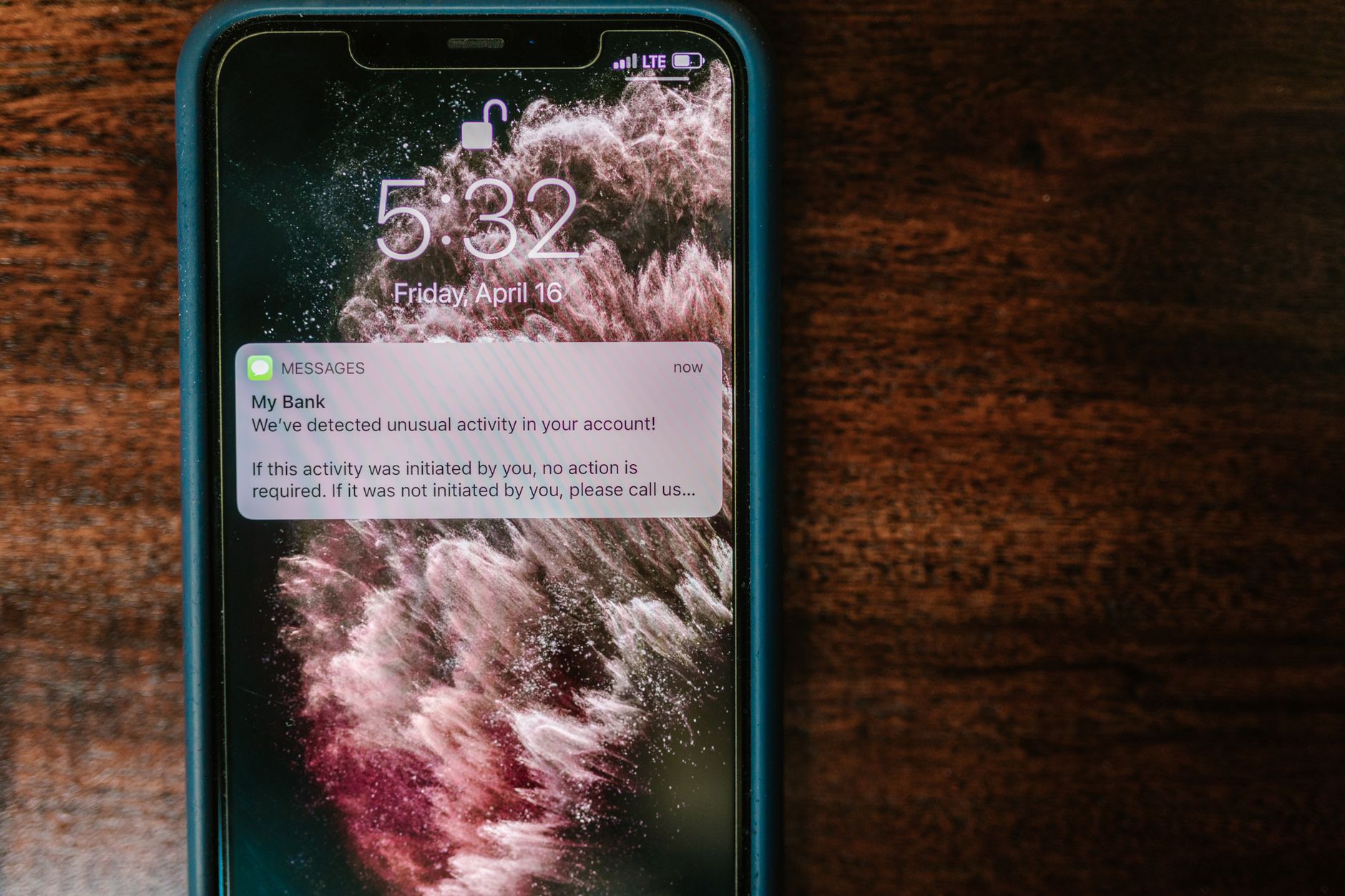
Exposed data is fuel for crime. Criminals do not need to steal your wallet anymore. They can steal enough information from public databases and breached files to impersonate you. The Federal Trade Commission reports that consumers lost more than $10 billion to fraud in 2023. That number is up 14 percent from 2022. Much of that fraud starts with a simple phone call or email that feels personal. The scammer knows your name, your bank, or a recent purchase. That knowledge lowers your guard.
Identity theft is the most serious outcome. A thief can use your name, address, and social security number to open credit cards, take out loans, or file fake tax returns. You may not know until a bill collector calls. Account takeovers are also common. If your password was exposed in a breach, a criminal might try it on your email, bank, and social media accounts. This is why using the same password everywhere is risky. We have a deeper look at why removal matters in our article why remove yourself from the internet.
Then there is phishing. Phishing messages pretend to be from a company you trust. They try to trick you into clicking a link or sharing a code. When a scammer already has your phone number and address, the message can look very real. Some attackers even use SIM swapping. They convince your phone carrier to move your number to a device they control. Then they receive your two-factor authentication codes. That can lock you out of your own accounts in minutes. The less personal data available about you, the harder these attacks become.
What Can You Do to Remove Yourself from Data Broker Sites?

You have two main options. You can manually opt out of data broker sites, or you can pay a removal service to do it for you. Manual opt-out is free, but it takes time. There are hundreds of data broker sites in the United States. Some of the biggest names include Spokeo, Whitepages, BeenVerified, and Intelius. Each site has its own opt-out process. You search for your profile, find the removal link, and submit a request.
Manual removal is easier with a checklist. Start by searching your name in multiple search engines. Note which people search sites appear on the first page. Then visit each site and locate its opt-out page. Some sites ask for an email address to confirm. Others require you to upload a photo ID. You can learn the exact steps in our guide how to opt out of data brokers. The process can take 20 to 40 hours if you do it all at once. But you do not have to do it all in one day. Ten minutes a week makes a difference.
Paid removal services handle this for you. Services like DeleteMe submit opt-out requests on your behalf and repeat them on a schedule. That matters because data brokers often re-add your information after a few months. Our review of the best data removal services for 2026 compares the top providers, their pricing, and how often they scan for your data. A good service costs between $100 and $250 per year. For many people, that is cheaper than the hours of manual work.
Whichever path you choose, do not expect one-and-done removal. Data brokers pull from new sources all the time. You might move, buy a car, or register to vote. Each event creates new public records. That is why repeat removal is essential. Think of it like mowing the lawn. It grows back. Regular maintenance keeps it under control.
Which Tools Help You Stay Private and Secure?
Removal is only half the battle. You also need good security habits. A password manager is the simplest upgrade. Most people reuse passwords across accounts. That means one breached password can unlock everything. A password manager creates long, unique passwords for each site and remembers them for you. Our list of the best password managers for 2026 covers free and paid options. You only need to remember one master password.
A virtual private network, or VPN, encrypts your internet traffic. That stops your internet provider and others on the same network from seeing what you do. It is especially useful on public Wi-Fi at coffee shops and airports. A VPN is not a magic cloak. It does not hide you from data brokers or stop phishing. But it adds a useful layer of protection.
Identity theft protection monitors your credit and personal information. It can alert you if someone opens a new account in your name. Some plans also help you recover if you become a victim. We reviewed the best identity theft protection for 2026 to show what is worth the money. Finally, if your inbox is overflowing with junk, reducing data broker exposure helps. You can also use email filters and unsubscribe tools. These tools work best together. Removal shrinks the target. Security tools lock the door. Monitoring catches what slips through.
How Long Does It Take to See Results?
You can see some results within a few weeks. Manual opt-out requests usually take 7 to 30 days to process. Paid removal services often show a drop in your exposure within the first month. Spam calls and phishing emails may not disappear immediately. Some call lists are already sold and circulating. But over two to three months, many people notice fewer unwanted contacts.
Full removal is an ongoing process. Data brokers re-add people over time. A new public record or a new app signup can restart the cycle. Most paid services scan for your information every month or quarter. Manual users should set a calendar reminder to re-check the biggest sites every few months. The work gets faster after the first pass because you know where to look.
Identity theft recovery takes longer if someone already used your data. The Federal Trade Commission recommends filing a report at IdentityTheft.gov. You may need to contact credit bureaus, close fake accounts, and dispute charges. That can take months. Prevention is faster and cheaper than recovery. Even small steps now, like removing your data from brokers and enabling two-factor authentication, reduce the odds of that long road later.
Frequently Asked Questions
Is it legal for data brokers to sell my information?
In most of the United States, yes. Data brokers operate under weak federal rules. Some states like California have laws that give you opt-out rights. The CCPA and GDPR provide more protections in certain regions. Removal is still a practical step because many brokers rely on public records and data you share willingly.
Do free data removal services work?
Some free opt-out guides and tools help, but free automated services are rare. Manual opt-out is free but labor intensive. Paid services automate the process and repeat it. Free tools may remove you from a few sites but often stop there.
Can I remove my information from Google search results?
You cannot remove information from Google just by asking, unless it violates a policy like doxxing or non-consensual sexual imagery. But you can remove the source profile on a data broker site. Once that page is gone or updated, Google will eventually drop it from search results. The process is slower than many people expect.
Will removing my data stop all spam calls?
Not all of them, but it helps. Many spam lists are already circulating. That said, fewer data broker profiles means fewer places for scammers to find your number. You should still use call blocking tools and report unwanted calls to the FTC.
How much does a data removal service cost?
Most services cost between $100 and $250 per year for one person. Family plans cost more. Some offer discounts for annual billing. The price is often less than the value of the time you would spend manually opting out of hundreds of sites.
Should I use a VPN if I already use a password manager?
Yes. A password manager protects your accounts. A VPN protects your internet connection. They do different jobs. Use both as part of a layered approach. Identity monitoring adds another layer if you want alerts about new accounts.
What Should You Remember?
- Privacy means controlling your personal data, and security means keeping criminals out of your accounts.
- Data brokers collect and sell your name, address, phone number, and family details without your daily awareness.
- The Identity Theft Resource Center recorded 3,205 data compromises in 2023, up 78 percent from the prior year.
- The Federal Trade Commission reports consumers lost more than $10 billion to fraud in 2023.
- You can remove yourself from data broker sites manually or with a paid removal service.
- Use a password manager, VPN, and identity theft protection to reduce future exposure.
- Repeat removals every few months because data brokers re-add your information over time.
This article is for general informational purposes only and is not legal or financial advice. Data broker policies, privacy laws, and service pricing change frequently, so verify current details with the official source before acting. Some links may be affiliate links that support this site at no cost to you.